

Built to serve customers rather than shareholders, customer-owned banks continually demonstrate how banking can make a lasting impact beyond finance. They do so with initiatives backed by purpose, helping build stronger communities, greater sustainability and positive environmental change.
One such example is Bank Australia’s 2,117-hectare conservation reserve in western Victoria, an initiative that first began in 2008. Camille Goldstone-Henry, manager of nature and biodiversity at Bank Australia, reflects on the reserve’s significant expansion over the last two decades, and the ways the bank serves as a force of good by backing its sustainability and nature-positive values with tangible action.
Caring for a conservation reserve
It was a strong desire to act on customers’ concerns about climate change and the protection of nature that spurred the decision to take on a conservation reserve, a first by an Australian bank, Goldstone-Henry explains.
Bank Australia purchased the first property, Minimay, in 2008. This 201-hectare property has expanded over the years after three more properties were acquired: Ozenkadnook, Booroopki, and most recently, Salvana in 2021. Today, it sits at 2,117 hectares – or the equivalent of approximately 850 times the size of the Melbourne Cricket Ground.
“We’re proud to be the first Australian bank to establish a conservation reserve. It’s one way we’re using the business of banking to help create a healthier planet,” Goldstone-Henry said.
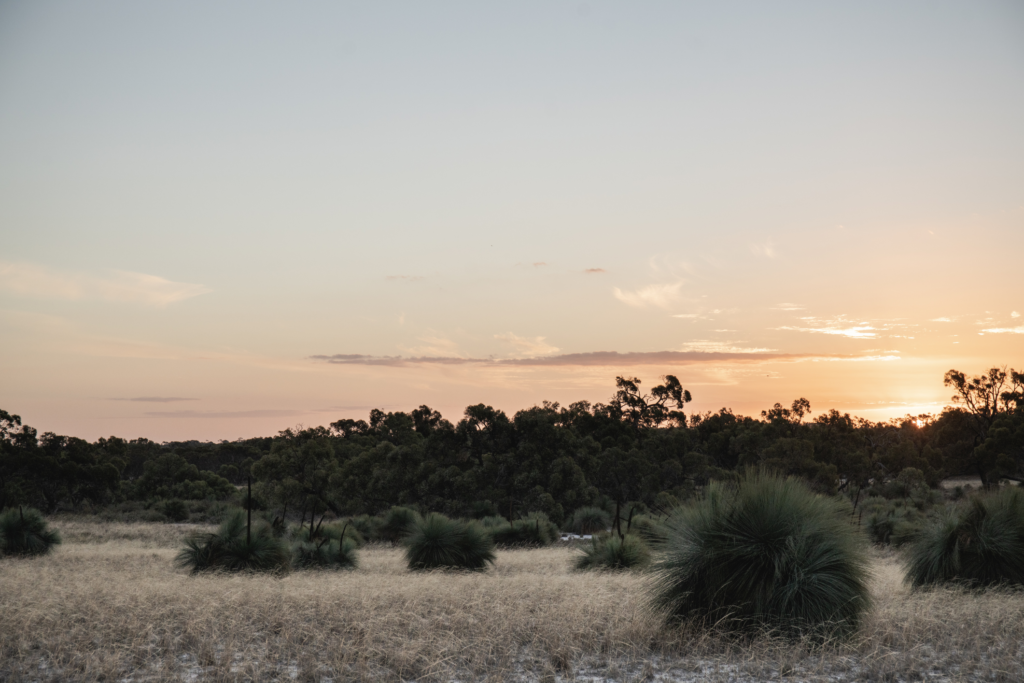
The reserve is home to 251 native plant species and 283 native animal species, including the Painted Dragon, the Western Pygmy Possum, red-tailed black cockatoos, endangered slender cupflowers and western bitter cress.
Each of the four properties comprising the reserve is protected through a conservation covenant and the reserve holds deep cultural and biodiversity significance. It sits within the Wimmera biodiversity hotspot, a region recognised for its extensive wetlands and threatened woodlands.
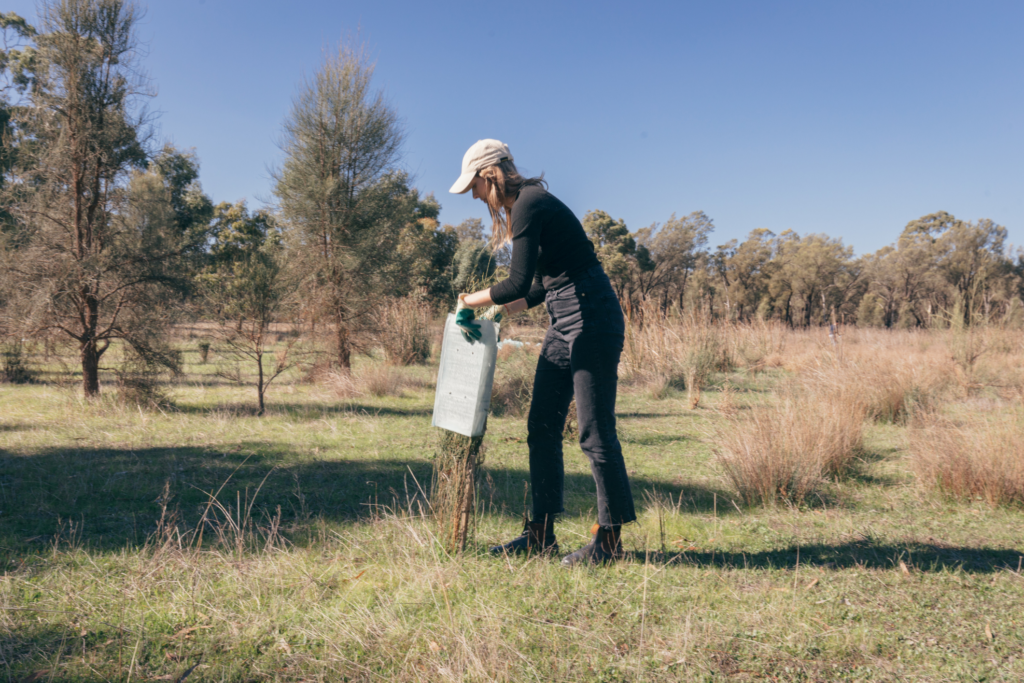
Bank Australia has undertaken regeneration work in the reserve on behalf of its customers, including planting threatened buloke woodland to support existing ecosystems on the Minimay property.
It regularly carries out on-the-ground monitoring alongside reserve partners, noting partnerships are fundamental to learning from and sharing knowledge about best practice land management and influencing broader protection of nature and biodiversity beyond Bank Australia.
Per the bank’s Big Spring Monitoring Report survey in 2023, revegetated woodlands in the reserve has increased by around 20% over the past 5 years.
Building connections to the reserve
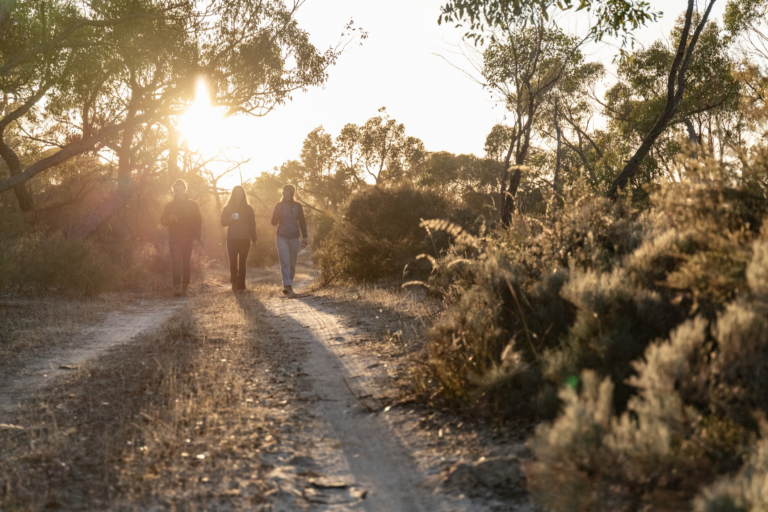
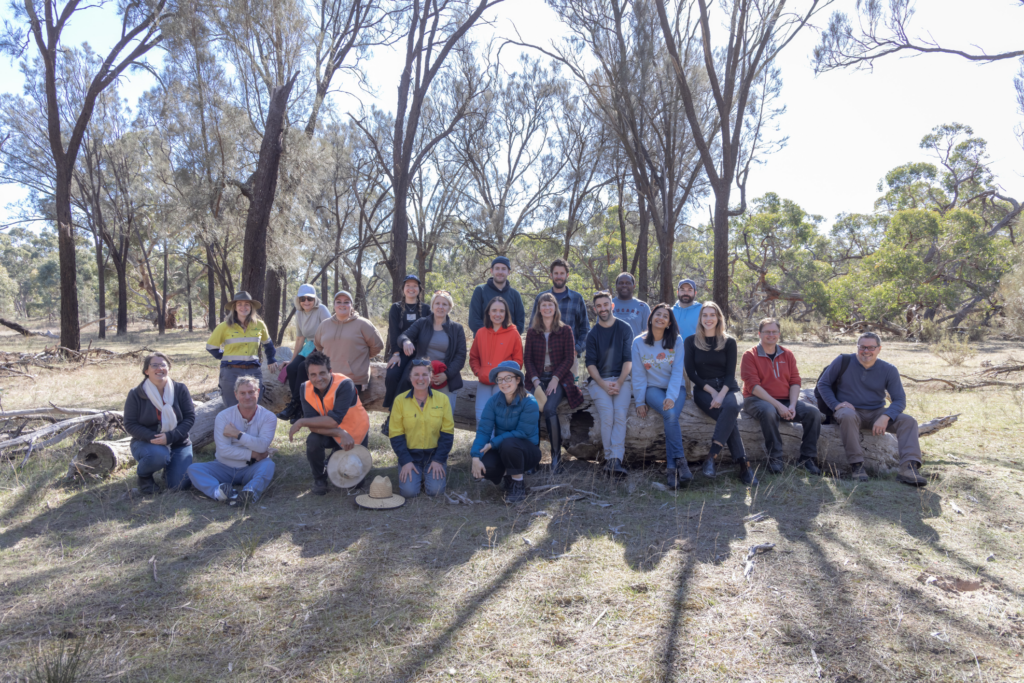
A certified B-Corp bank, Bank Australia hosts routine trips to the reserve throughout the year, connecting employees – including members of the executive team and the Board – to the biodiversity work undertaken there. These three‑day experiences are guided by the Trust for Nature team and the Barengi Gadjin Land Council (BGLC), who share the importance of private land conservation through discussions and guided walks across the reserve.
“Employees also volunteer their time during these trips, supporting on‑ground initiatives such as monitoring plant and wildlife species and helping to build bird and bat houses. These hands- on activities allow employees to directly contribute to the ongoing care and protection of the reserve,” said Goldstone-Henry.
“By engaging with nature and learning from First Nations culture and knowledge, these experiences help strengthen nature‑positive behaviours and deepen understanding of Country.”
The work in the reserve is deeply connected to the bank’s First Nations Recognition and Respect strategy. Its relationship with the Traditional Owners and Custodians, represented by the BGLC is a key part of this strategy, which sets a vision to 2030 for walking together towards First Nations justice, reconciliation and self-determination.
The reserve is warmly embraced by customers too.
“As a customer‑owned bank, we respond to what matters most to our customers. Through our customer value surveys, conducted every few years, we know that 74% of customers are concerned about nature and biodiversity loss and want us to take action,” Goldstone-Henry said.
With this initiative, Bank Australia demonstrates its commitment to addressing these priorities, actively managing and safeguarding the biodiversity and cultural values across its four reserve sites.
And while the need to protect the reserve’s ecological and cultural values means it is not currently accessible to customers or the broader public, customers are kept engaged and informed with regular updates on the conservation efforts carried out on their behalf.
Looking ahead
This initiative highlights how customer‑owned banking can be used to create positive community and environmental outcomes, including a healthier planet and the protection of local nature and biodiversity.
It highlights collaboration and science-based conservation in action, with the help of partnerships with Trust for Nature, BGLC, reserve neighbours, and local Country Fire Authority (CFA) brigades.
Additionally, it serves as an important part of Bank Australia’s first bank-wide nature and biodiversity strategy, launched in 2023, which was guided by the Taskforce on Nature‑related Financial Disclosures (TNFD) framework.
“The conservation reserve is a key part of this strategy, reflecting our vision for 2030, and a future where nature is protected and recovering. Nature underpins life, and biodiversity is one of our strongest natural defences against climate change,” Goldstone-Henry explained.
“Looking ahead, we will continue to act boldly by using the reserve to raise awareness, share insights, and test new banking products and services that support the transition to a nature‑positive economy.”
Bank Australia continues to explore nature positive products and services to transition to a nature positive economy, including actively testing impact lending to nature positive projects and businesses (spanning high integrity carbon and biodiversity projects) in the next 12 months.
Goldstone-Henry added: “We also have some exciting citizen science and nature-based community events in the works. We know our customers are eager to get hands on with conservation work, and we’re looking into how we can create opportunities for this to happen.”
Learn more about Bank Australia’s conservation reserve here.