
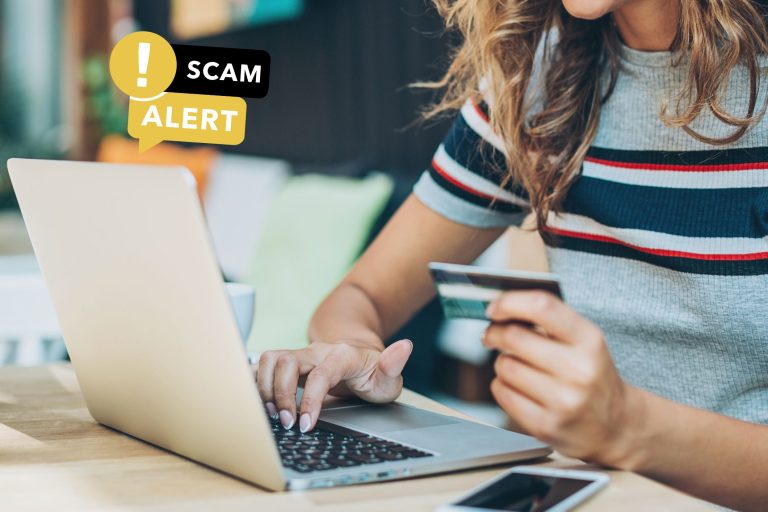
As household budgets feel the crunch of ongoing cost-of-living pressures, many people are likely to shop around for better deals on utilities, subscriptions, and even their bank accounts.
Unfortunately, using fake websites targeted at obtaining consumers’ personal and financial information, many scammers are likely to take advantage of the situation.
“Comparison websites can be a great way to compare the costs and features of various products and services and may lead to some significant cost savings. But it’s important to stay vigilant about the website you are using to compare these prices,” explained Martin Latimer, Head of Financial Crime and Cyber Resilience at the Customer Owned Banking Association (COBA).
COBA’s financial crimes team have shared their practical tips to help consumers stay protected.
Spotting the warning signs
While scam websites can appear convincing at first glance, there are some tell-tale signs that something isn’t quite adding up.
Check whether the website clearly identifies the business operating it, provides contact details, and explains how it makes money. Legitimate services provide information to be transparent on how products are ranked and whether they receive commissions from providers.
Other warning signs of a scam site include typos and grammatical errors and bad website design.
You can also verify if the comparison site is using a ‘.com’ domain, rather than a registered Australian ‘.com.au’ domain.
A little extra research on the website can go a long way, Latimer points out.
“If you’re unfamiliar or unsure about a comparison website, look for independent reviews. You can also check how long the website has been operating and whether there are clear ways to contact the business,” he said.
Moreover, consumers should be cautious about the information they are asked to provide to use the website. Scammers are likely to request sensitive information such as online banking credentials, passwords, one-time verification codes, or copies of identity documents to provide comparison results.
“Scammers may also adopt phishing tactics to steal your information by supposedly leading you to ‘better deals’ with links on their websites. If a product or service piques your interest and you would like to learn more or sign up, it’s better to type the web address manually or using a trusted search engine. Many consumers may find the deal or offer they spotted on a scam website doesn’t actually exist,” Latimer added.
Suspect a scam? Here’s what you need to do
To help yourself and others stay scam-safe, keep in mind the simple, three-step “Stop. Check. Protect” method – take a moment before giving your money or personal information to anyone, make sure the person or organisation you’re dealing with is real, and act quickly if something feels wrong.
If you think you’ve been scammed, reach out to your financial institution or card provider immediately, as they can stop further transactions and explore options to recover funds.
If you suspect a scam, report the suspicious sellers or websites to https://www.scamwatch.gov.au/report-a-scam and Cyber.gov.au.