

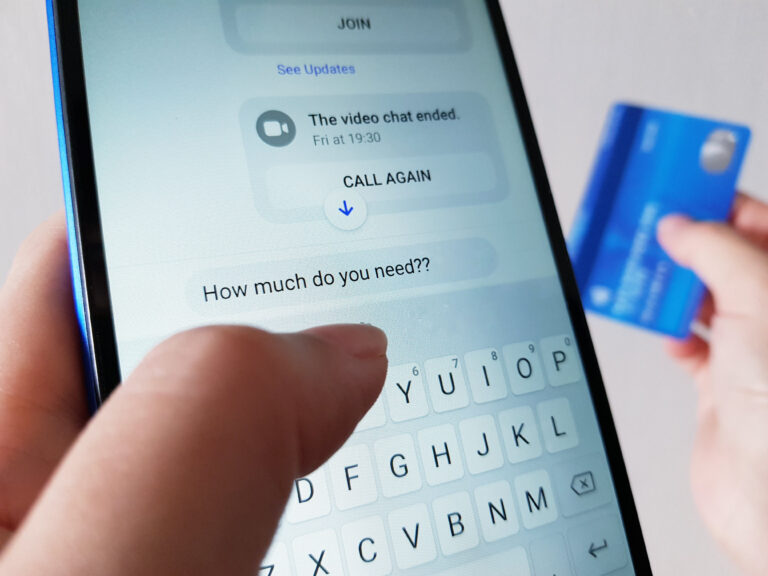
Online connections can feel exciting and real, and in a time of dating apps and social media, it’s never been easier to meet someone virtually. However, while some connections can be genuine, there are numerous others that turn out to be carefully planned scams.
Romance scams are designed to build trust quickly, taking advantage of emotions to manipulate you to hand over your money. These cybercriminals often hide behind fake photos and profiles, and in some recent cases, they have even turned to artificial intelligence to impersonate famous personalities.
Romance scams can be incredibly emotionally damaging, notes COBA Head of Financial Crimes and Cyber Resilience Martin Latimer.
“The impact of these scams goes far beyond financial loss. Many victims are left dealing with feelings of betrayal and heartbreak, and sadly, recovering the money is rare,” Latimer said.
With Valentine’s Day right around the corner, the COBA Financial Crimes and Cyber Resilience team share their expert tips on how to spot and avoid these kinds of scams.
What romance scams may look like
According to data from Scamwatch, romance scams were among the top three most financially damaging type of scam in Australia in 2025. Nearly 3,500 romance scams were reported last year, resulting in more than $28.6 million in losses.
In these scams, cybercriminals create fake profiles online, using stolen photos and fabricated identities. They ‘make the first move’ and initiate contact with their target, showering them with affection and gradually building a rapport.
Typically, scammers quickly move conversations onto private channels like texts or emails, which helps them avoid detection and gives them more control over the interaction.
Some scammers may ask for money immediately while others may invest weeks, months, even years, to cultivate trust and a seemingly genuine relationship. This makes it even harder to recognise the scam, as the victim truly believes they are in a committed relationship.
“Scammers work to form an emotional connection first, then introduce financial requests once the victim feels invested,” Latimer elaborates.
“Once they’ve gained their victims’ trust, they start asking for money, with seemingly reasonable excuses such as needing the funds for an emergency, or to arrange a visit.”
Such scams are also becoming increasingly sophisticated. It means some criminals aren’t just after your money, but they may involve you in illegal activity by turning you into a ‘money mule’.
“The scammer may manipulate you into holding, or transferring, large sums of money under the guise of helping them. These actions can have serious consequences, including emotional distress and potential legal trouble,” Latimer said.
“Be cautious if your online ‘sweetheart’ asks you to transfer funds, release money, or handle any kind of suspicious financial transaction. Protect yourself by refusing to get involved and reporting any concerns to the authorities.”
Spotting the red flags
There are some common indicators that can help you spot a potential romance scam.
Be wary of profiles and photos that seem too good to be true, especially if the person’s online presence is limited. Keep an eye out if they try to dodge phone calls or video chats, with excuses about technical difficulties or other issues, or if they make justifications about why they can’t meet in person or access their own money.
Note any inconsistencies in the chats or on their profile, and whether they try to build a bond quickly by expressing love and affection very early on.
Some scammers may even try to discourage you from discussing the relationship with friends and family, isolating you from those who could offer support and potentially identify the scam.
As with all online interactions, you can protect yourself by adopting the Stop – Check – Protect mantra. Take the time to verify information, don’t share intimate details or photos, avoid sharing personal and financial information when it’s not necessary, and trust your instincts if something feels off.
Not limited to romantic relationships
Notably, relationship scams aren’t limited to just romantic relationships, as scammers may also target individuals looking online for friendship or support. They may pose as a sympathetic friend, sharing similar interests and mirroring their victim’s behaviour to build trust.
“Once they’ve earned their victim’s trust, they use guilt, flattery, or pressure to convince them to send money or share personal details,” Latimer explains.
These scams often involve elaborate stories of personal hardship or urgent emergencies, with claims of needing money for medical expenses, legal troubles, or a family crisis.
“They manipulate emotions to create a sense of urgency, encouraging victims to shell out money before they have a chance to question the situation,” he added.
What to do if you suspect you’ve been scammed
With romance scams, the requests for money are often repeated until the victim stops sending money, or the scammer may disappear when funds have run out or no money has been sent.
If you encounter a suspected romance scam, it’s crucial that you act quickly. If you shared personal identification information or payment details, contact your bank or financial institution immediately to secure your account.
Even if you haven’t lost any money, reporting the scam helps prevent further fraud and can assist other potential victims.
“Remember, this might be your only relationship but typically the scammer will be in a relationship with many people at the same time”, Latimer warned. You can report the incident to the National Anti-Scam Centre (NASC) – Scamwatch.
Additionally, you can adopt some extra precautions like changing your passwords and enabling multi-factor authentication on your accounts.
Customer-owned banks are dedicated to safeguarding their customers from scams and fraud. In November 2023, 55 mutual banks and credit unions demonstrated this commitment by joining forces to launch the Scam-Safe Accord. This industry-wide initiative represents a united front against scammers and reinforces the banking sector’s determination to strengthen consumer protection. Find out more about the Scam-Safe Accord here.